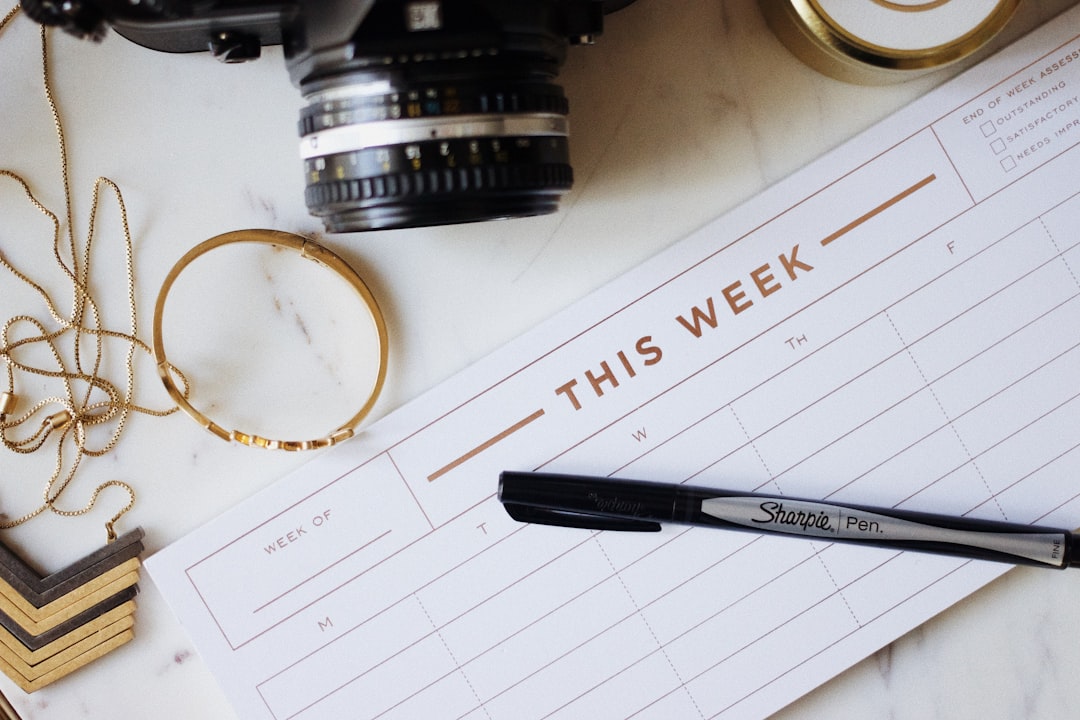
Use this quarterly fashion trend watchlist to separate lasting wardrobe updates from short-lived impulses. You will find a printable trend scorecard, outfit-testing worksheet, wardrobe-gap checklist, and practical rules for deciding whether to buy, borrow, tailor, repair, or skip a seasonal idea.
Overview
A fashion trend is worth adding when it works with your real wardrobe, fits your lifestyle, and can be worn in more than one convincing outfit. The goal is not to predict every runway direction or copy a complete streetwear look. It is to notice useful changes in color, proportion, fabric, detail, or accessories and translate them into your personal style.
Review this guide at the start of each season, before a major shopping trip, or whenever your daily routine changes. Begin with what you already own. A trend that gives new life to existing wardrobe essentials is usually a lower-risk choice than a dramatic purchase that requires several supporting items.
The four-part trend test
- Relevance: Does the trend suit your climate, schedule, dress code, and preferred level of attention?
- Compatibility: Can you pair it with at least three items already in your closet?
- Repeatability: Can you imagine wearing it regularly rather than only for one photograph or event?
- Practicality: Is the fit, fabric, care requirement, and cost reasonable for your life?
Use a simple score from zero to two for each question: zero means no, one means partly, and two means clearly yes. A high score suggests that a trend deserves a small experiment. A low score does not mean the trend is unattractive; it means the idea may be better appreciated visually than adopted personally.
Checklist by scenario
Runway or editorial trends
Runway trends often appear first as a complete visual language: a particular silhouette, styling proportion, color story, or combination of textures. Reduce the idea to one manageable element before shopping.
- Write down the main idea in plain language, such as “longer layers,” “strong shoulder line,” or “soft monochrome dressing.”
- Look for the least permanent way to test it: a belt, scarf, shoe, bag, jewelry piece, or layering item.
- Check whether the shape works with your height, movement needs, and usual footwear.
- Try the trend with neutral wardrobe essentials before purchasing a highly distinctive version.
- Keep the rest of the outfit simple if the trend creates volume, shine, pattern, or unusual proportion.
Streetwear details
Streetwear outfits are often built through contrast: tailored and relaxed pieces, polished and utilitarian fabrics, or clean basics with one expressive detail. You do not need a full branded look to use the styling principle.
- Choose one focal detail, such as a graphic layer, wider trouser, technical fabric, cap, sneaker, or statement bag.
- Balance a relaxed item with structure elsewhere, such as a crisp shirt, tailored coat, or neat leather accessory.
- Check the practical details: pocket placement, strap length, sole comfort, fabric weight, and ease of movement.
- Test the outfit in your normal environment rather than only in front of a mirror.
Colors and prints
Color is one of the simplest ways to experiment with seasonal fashion trends. Before buying a new garment, compare the shade with the colors you already wear and the colors that suit your preferred makeup, jewelry, and outerwear.
- Start with an accessory or washable layer if you are unsure about the color.
- Identify at least two existing neutrals that support it.
- Decide whether the color belongs in your everyday rotation or only for occasional outfits.
- For prints, check scale and contrast. A print may feel more wearable in a smaller pattern or a muted colorway.
Silhouettes and proportions
A new silhouette can change the impression of an entire capsule wardrobe. Test proportion before investing in multiple pieces.
- Pair a new volume with a familiar shape, such as a roomy top with a straighter bottom or a wide trouser with a shorter jacket.
- Check the hem, rise, sleeve length, and shoulder placement while sitting and walking.
- Consider alterations. A small adjustment may make a trend more wearable than buying a different item.
- Photograph the outfit from the front, side, and back to assess balance rather than relying on a single mirror view.
Accessories
Accessories are useful trend-testing tools because they can change an outfit without rebuilding your closet. Consider a belt, bag shape, watch, sunglasses, scarf, or jewelry combination before committing to a new clothing silhouette.
- Confirm that the accessory holds what you need and feels comfortable for its intended use.
- Check whether its finish works with the metals, shoes, and hardware you already own.
- For a statement item, plan at least three outfits before buying it.
- Use jewelry styling to adjust intensity: one bold piece can make basics feel current without overwhelming them.
Printable quarterly trend watchlist
| Trend idea | Category | Why it appeals | Items I own | Test method | Decision |
|---|---|---|---|---|---|
| Color / silhouette / detail / accessory | Style, borrow, tailor, or shop | Try / wait / skip | |||
| Color / silhouette / detail / accessory | Style, borrow, tailor, or shop | Try / wait / skip | |||
| Color / silhouette / detail / accessory | Style, borrow, tailor, or shop | Try / wait / skip |
What to double-check
Adoption scorecard
Complete this scorecard before making a purchase. Give each category zero, one, or two points.
| Question | Score |
|---|---|
| Can I wear it with three items I own? | 0 / 1 / 2 |
| Will I use it in my actual weekly routine? | 0 / 1 / 2 |
| Does it fit my current wardrobe proportions? | 0 / 1 / 2 |
| Can I care for it properly? | 0 / 1 / 2 |
| Would I still want it without the trend label? | 0 / 1 / 2 |
| Can I test the idea before buying a permanent version? | 0 / 1 / 2 |
Use the result as a prompt, not a rigid rule. A low score usually calls for borrowing, styling an existing piece, or waiting. A strong score supports a deliberate purchase, provided the garment meets your standards for fit, construction, and care. For more detailed quality checks, see the guide to choosing quality clothing.
Outfit-testing worksheet
Before deciding, build three outfits around the trend:
- Safe test: Pair the trend with your most reliable basics.
- Everyday test: Wear it for a normal workday, errand, commute, or social plan.
- Personal test: Add one detail that reflects your own style rather than the reference image.
After wearing each outfit, record whether you felt comfortable, appropriately dressed, and able to move through the day. Note what required adjustment. If you repeatedly avoid the item, the styling problem may be useful evidence that the trend is not right for you.
Wardrobe-gap checklist
- Do I own a suitable base layer?
- Do I have shoes that create the intended proportion?
- Will the item work across more than one season?
- Does it duplicate something I rarely wear?
- Would tailoring, repair, cleaning, or better storage solve the need?
- Does the item belong in my capsule wardrobe, occasion wardrobe, or neither?
Use your wardrobe inventory template before shopping, and compare the result with your cost-per-wear wardrobe audit. These checks help distinguish a genuine gap from a temporary desire.
Common mistakes
- Buying the complete look: A trend is often more wearable when reduced to one element. Start with the smallest useful change.
- Ignoring your existing proportions: An outfit may look balanced in an editorial image because of styling, tailoring, and photography. Test the proportion with your own layers and shoes.
- Choosing novelty over repeat wear: A distinctive item is not a good purchase if it works only with one outfit.
- Confusing fit with trend: An uncomfortable garment will not become more useful because it is fashionable. Check measurements and brand differences with a clothing size conversion guide.
- Forgetting maintenance: Delicate fabrics, special washing, and difficult storage can reduce how often you wear an item.
- Using a trend to replace personal style: Trend references should provide options, not instructions. Keep the colors, textures, and silhouettes that make you feel like yourself.
- Refreshing without editing: Before adding anything, rotate seasonal pieces and decide what needs repair, storage, or removal. The seasonal wardrobe rotation checklist can help.
When to revisit
Return to this watchlist at the beginning of each season, ideally before browsing or shopping. Also revisit it when you change jobs, move to a different climate, alter your commute, attend a series of events, or notice that your current outfits no longer support your routine.
At each quarterly review, follow this short process:
- Review saved outfit references and remove ideas that no longer appeal to you.
- Check your wardrobe inventory and identify items that can already create the look.
- Choose no more than a few trends to test, prioritizing those with strong wardrobe compatibility.
- Style each idea three ways and wear it in a real setting.
- Record what worked, what needed tailoring, and what you did not reach for.
- Make one clear decision: buy, borrow, tailor, repair, wait, or skip.
Keep the completed worksheets with your seasonal planning notes. Over time, they reveal which colors, proportions, and accessories consistently earn wear. That personal record is more useful than any universal trend ranking because it turns fashion trend forecasting into a practical system for building a modern wardrobe you can actually use. For outfit planning between reviews, pair this process with the monthly outfit planning guide and the guide to updating your wardrobe without rebuilding it.