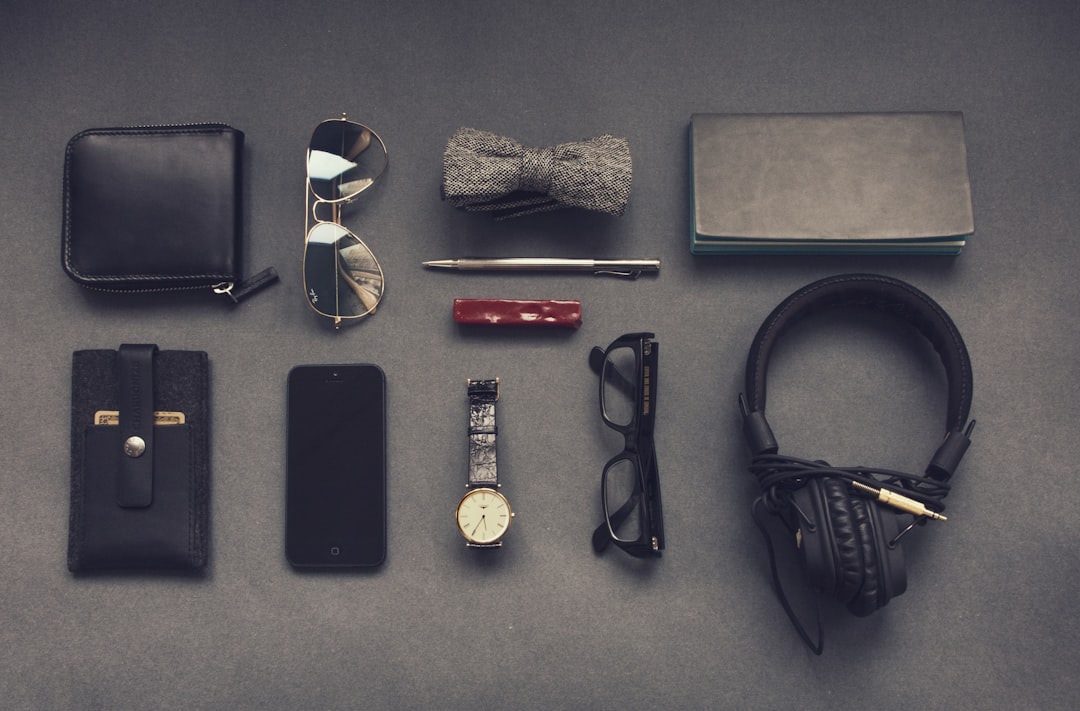
Dress codes are useful starting points, not invitations to guess. This practical guide explains what to wear for casual, smart casual, business casual, cocktail, wedding guest, and black-tie occasions, with adaptable outfit formulas, seasonal adjustments, fit checks, and a reusable checklist for getting dressed with confidence.
Overview
The easiest way to interpret a dress code is to consider three things together: formality, setting, and comfort. “Casual” at an outdoor daytime gathering may call for very different clothes from casual attire at a creative workplace. Likewise, a cocktail event in a hotel, a garden wedding, and an evening celebration may share a level of polish but require different fabrics, shoes, and layers.
Start with the clearest instruction on the invitation or event page. If the wording is vague, use the venue, time of day, season, and expected activities as clues. When in doubt, choose a polished outfit that can be made slightly more or less formal with accessories, a jacket, or a change of shoes.
A dependable occasion wardrobe does not need to be large. A tailored trouser, a refined top, a versatile dress, a structured jacket, clean low-profile shoes, and one practical bag can support many outfit ideas. For help building a flexible foundation, see this capsule wardrobe checklist.
Checklist by scenario
Casual
Casual dressing should feel relaxed without looking accidental. Try straight-leg jeans with a crisp shirt, a fine-knit sweater with wide-leg trousers, or a simple midi skirt with a clean T-shirt and a lightweight jacket. Well-kept sneakers, loafers, ballet flats, or flat sandals can work depending on the setting and weather.
- Choose clean, comfortable pieces with intentional proportions.
- Use one polished element, such as a structured bag, leather belt, or tailored overshirt.
- Avoid clothes that are visibly worn, heavily wrinkled, or too revealing for the setting.
Smart casual
Smart casual sits between everyday clothing and office-ready polish. Good formulas include dark denim with a blazer, tailored trousers with a tucked-in knit, or a simple dress with a cropped jacket and refined flats. Sneakers may work when they are minimal and clean, but a loafer, ankle boot, or low heel is a safer choice when the venue is unfamiliar.
- Combine one relaxed item with one tailored item.
- Keep the color palette coordinated rather than overly matching.
- Finish with a watch, small earrings, or a compact shoulder bag instead of excessive accessories.
Business casual
Business casual outfit ideas work best when they look professional without becoming overly formal. Consider tailored trousers with a blouse, a knit dress with a structured jacket, or a midi skirt with a tucked-in shirt. Depending on the workplace, dark, unpatterned denim may be acceptable, but trousers are the more dependable choice for interviews, presentations, and first-time visits.
- Prioritize fit: shoulders should sit correctly, trousers should not pull, and hems should allow comfortable movement.
- Select polished footwear such as loafers, ballet flats, ankle boots, or modest heels.
- Carry a structured tote or work-appropriate bag that holds what you need without looking overfilled. This guide to styling everyday bags can help with proportion and coordination.
- Keep jewelry simple enough that it does not distract during conversation or work.
Cocktail attire
Cocktail attire for women usually calls for a dressed-up, social look that is less formal than floor-length eveningwear. A knee-length or midi dress, a refined jumpsuit, or a skirt with an elegant top can all work. Choose a fabric with some structure or sheen, then balance it with understated accessories. A small shoulder bag or clutch, dressy sandals, pumps, or sleek flats can complete the outfit.
- Favor a defined silhouette rather than excessive decoration.
- Check that the hem and neckline remain comfortable when sitting, walking, and dancing.
- Use one focal point, such as sculptural earrings, a strong shoe, or a statement neckline.
Wedding guest attire
Wedding guest dress ideas should reflect the ceremony, venue, season, and requested formality. For daytime events, consider a printed midi dress, a soft suit, or tailored separates in lighter colors. For evening celebrations, a deeper color, richer texture, or more formal silhouette may feel appropriate. Add a layer for changing temperatures and choose shoes you can comfortably wear for several hours.
- Follow any stated color or cultural guidance from the couple.
- Avoid treating the event like a competition for attention; let the outfit feel celebratory but composed.
- Plan for outdoor surfaces, weather, and movement before choosing delicate shoes or a long hem.
Black tie and formal occasions
A black-tie outfit guide should begin with the most formal interpretation unless the invitation gives more specific direction. A floor-length dress, an elegant evening dress, or a highly polished tailored look can be appropriate. Choose refined materials, deliberate tailoring, and evening-appropriate accessories. Formal dressing does not require uncomfortable clothing, but it does require attention to finish: pressed fabric, secure fastenings, neat grooming, and shoes suitable for the venue.
- Keep the silhouette elegant and the accessories intentional.
- Use a compact evening bag rather than a large everyday tote.
- Consider a wrap, tailored coat, or dressy layer for travel and outdoor portions of the event.
What to double-check
Before leaving, perform a short practical review. First, confirm the dress code wording and whether the event includes a ceremony, reception, work session, outdoor travel, or a change of location. Then check the forecast and select layers accordingly. Seasonal choices should support the outfit rather than compete with it: breathable fabrics and lighter layers suit warm-weather events, while textured knits, boots, tights, and tailored coats can add comfort in cooler months.
Next, test the outfit in motion. Sit down, raise your arms, walk a short distance, and check whether straps, hems, and waistbands stay in place. Try the complete outfit with the intended undergarments, shoes, bag, and jewelry. A garment that looks right on a hanger may need a different base layer or hem length to work in practice.
Finally, inspect the details. Steam or press visible creases, remove lint, check buttons and zippers, and make sure shoes are clean and comfortable. If you are wearing a watch or multiple pieces of jewelry, keep the overall balance in mind; this watch styling guide offers useful direction for coordinating accessories.
Common mistakes
- Reading the label without reading the setting: A “casual” event may still call for neat clothing if it takes place at a refined venue.
- Buying a complete new outfit at the last minute: Familiar pieces are easier to fit, style, and wear comfortably. Begin with one reliable wardrobe essential and build around it.
- Over-accessorizing: Several statement elements can compete. Pick one focal point and let the rest support it.
- Ignoring practical conditions: Thin shoes on grass, an untested heel for a long reception, or no outer layer for an evening event can undermine an otherwise polished look.
- Confusing expensive with formal: Formality comes from silhouette, fabric, finish, and context—not simply a high price.
- Choosing an outfit that needs constant adjustment: If you cannot sit, walk, or carry your essentials comfortably, revise it before the event.
When to revisit
Return to this checklist whenever an invitation uses unfamiliar wording, the venue changes, or the event moves between seasons. It is also worth reviewing your occasion wardrobe before a busy period of weddings, work events, holidays, or formal celebrations. Try on key pieces in advance and note which shoes, bags, and layers are missing.
For a quick final decision, ask five questions: What is the stated dress code? Where and when is the event? Can I move comfortably? Does the outfit have one clear focal point? Do I have the right shoes, bag, and outer layer? If the answer to all five is yes, get dressed, take one final mirror check, and go.